

From the Inside Out
How a retired EPA engineer became the go-to source on America's biggest climate story

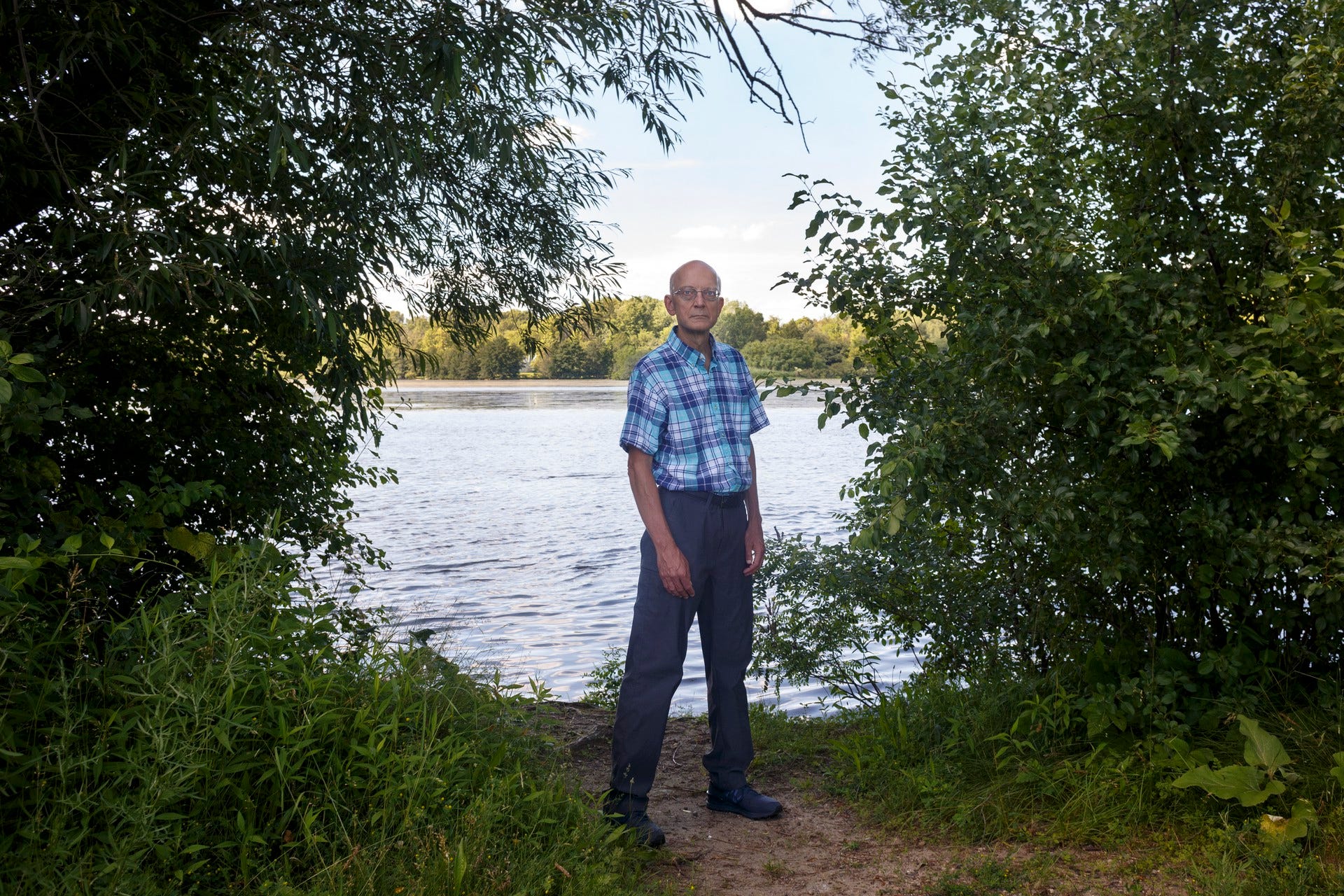
HAVE YOU OR SOMEONE YOU KNOW HAD A BOLD MIDLIFE PIVOT, LIKE JEFF? I’d love to shine a light on their story. Email me at: alicejmorgana2 at gmail.
In January of 2018, Jeff Alson gathered with his colleagues in the Ann Arbor EPA office for what they hoped would be a productive video call with their counterparts in Washington. For nearly a decade, Jeff and his team had worked closely with engineers at the Department of Transportation to write the federal automotive tailpipe pollution standards – one of the most consequential climate protections in American history. They expected to get back to work. Instead, a spreadsheet appeared on the screen.
Jeff had worked on cost-benefit analyses in this realm so many times he could recall key numbers by heart. But as he looked closer, something was deeply wrong. Every estimated cost had ballooned. Every estimated benefit had shrunk. The new study claimed the Obama-era pollution standards – rules Jeff and his colleagues had helped build – killed almost 1,000 people a year. The meeting, scheduled for an hour, ended in thirty minutes.
“We couldn’t even bring ourselves to try to engage. We knew they had cooked the books so bad that there wasn’t any reason to talk about it.”
Three months later, Jeff retired. And then the real work began.
The Farm Kid from Indiana
Jeff Alson grew up on a corn, soybean, and Angus cattle farm in Rensselaer, Indiana. Always good in science and math, he was told he should become an engineer. But something else was developing alongside the technical aptitude: a political identity, a sense that he wanted to do something good for the world. Environmental issues were where those two threads came together.
He went to Purdue, majored in environmental engineering, and graduated in 1978 with straight A’s. The job that would define his career came about effectively by accident. He was dating a woman whose parents lived in Chelsea, Michigan. Driving along Plymouth Road in nearby Ann Arbor one day, he spotted an EPA facility out the car window. He stopped by in blue jeans and tennis shoes.
“I’m graduating from Purdue with an environmental engineering degree. Are you hiring?”
They were indeed. He interviewed on the spot. A week later he had a job.
Forty Years at the EPA
The EPA’s Ann Arbor lab may not be a household name but every vehicle sold in the United States has been shaped by what happens there. When the lab opened in 1971, no country in the world had successfully regulated car emissions. The science was settled that cars, powered by leaded gasoline, were major sources of air pollution. But the auto and oil industries – then the most powerful economic forces in the country – had blocked every attempt at regulation.
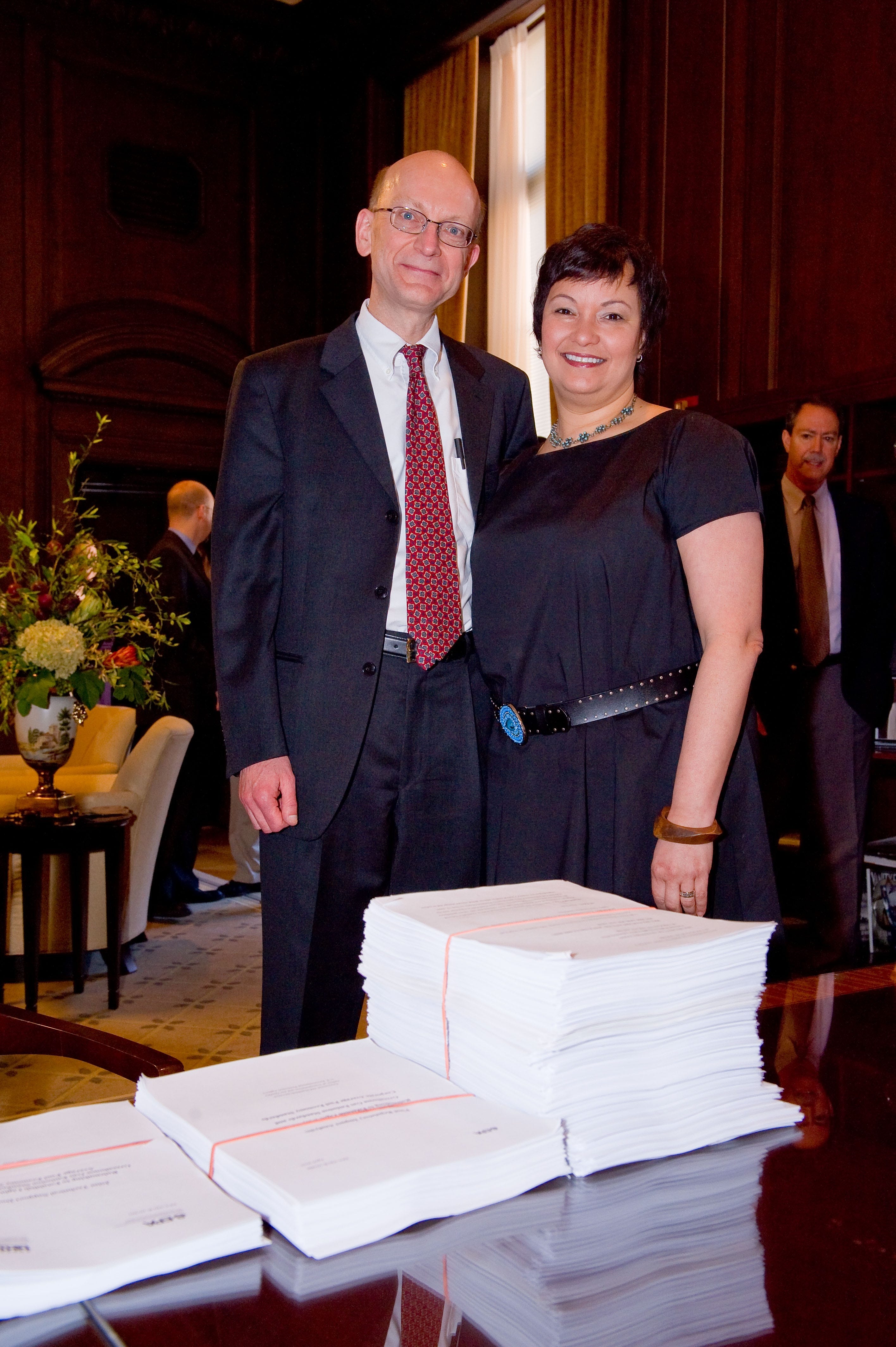
What followed over the next decade was arguably the greatest environmental achievement in history. The combination of the catalytic converter and unleaded gasoline, driven by EPA standards, reduced many key automotive pollutants by roughly 90 percent. Once America had set these standards, Europe and Japan followed suit. Jeff watched it happen, and then spent the next four decades building on it. He started as an engineer doing technical tasks and gradually moved into public policy. His final decade was focused on the greenhouse gas standards for cars and SUVs – rules that would become the most significant climate protection ever enacted by any country.
“I felt lucky I got to work on something that actually mattered.”
The Beginning of the End
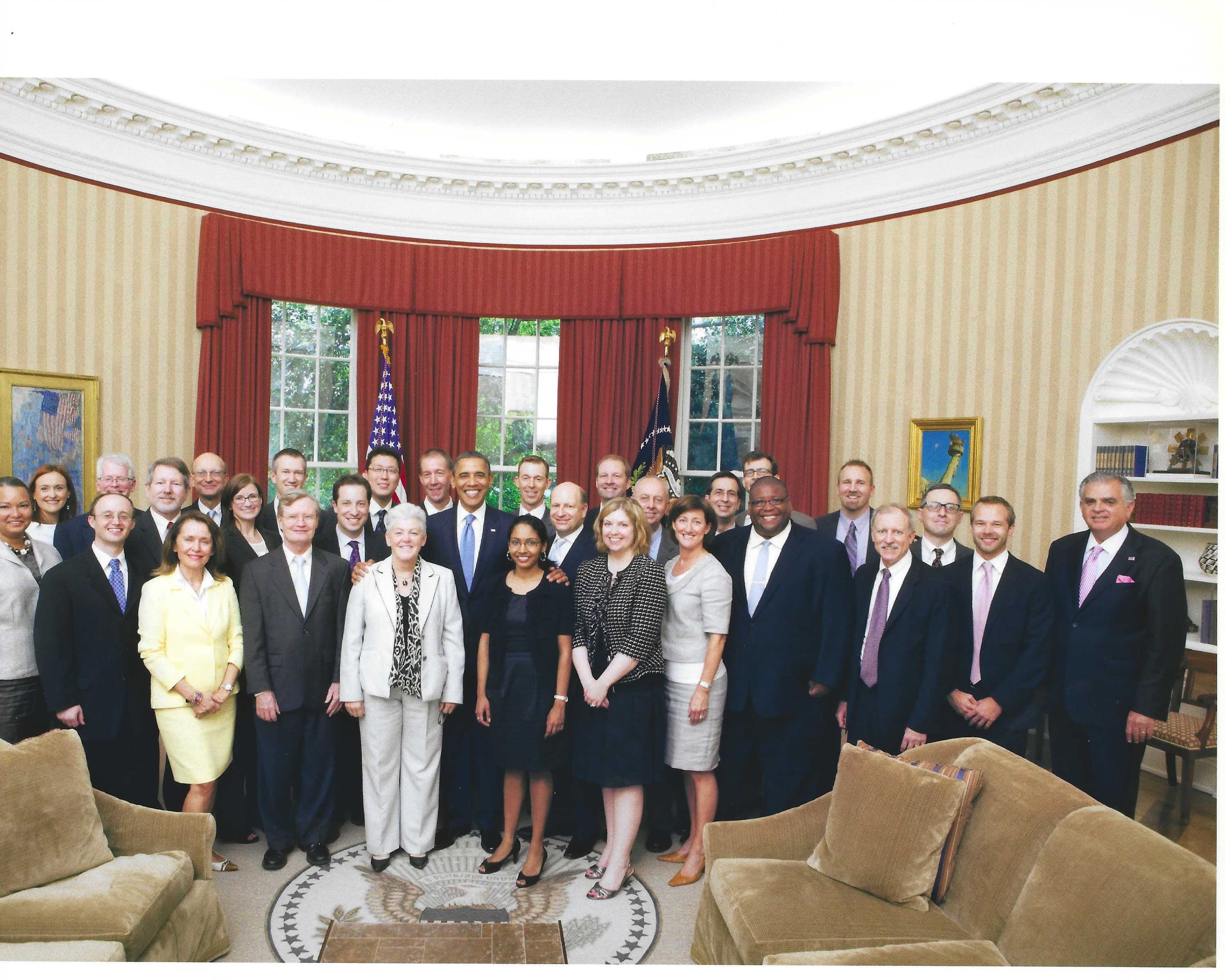
Donald Trump took office in January 2017. His administration’s number one target on environmental regulation was the vehicle greenhouse gas standards – the very rules Jeff had spent his last decade building. For fifteen months, Jeff watched from the inside as the process he knew intimately was systematically dismantled. The EPA team was frozen out of meetings. The analysis was farmed out to the Department of Transportation, whose engineers lacked the EPA’s expertise and – as that January 2018 video call made clear – were producing work that Jeff and his colleagues considered fundamentally false.
He stayed long enough to see which way the wind was blowing. Then, in April 2018, at 62, he retired.
Learning a New Language
Four months later, the Trump administration published its proposed rollback of automotive emissions standards. Jeff took a look at the technical document on the EPA website and immediately saw the problems.
“I knew they had made a lot of stuff up and biased the analysis.”
At that point, he had no relationships with any reporters. He looked up a New York Times journalist who had been covering the story and called her out of the blue.
She did not answer. He left a voicemail. Then he spoke with a journalist from an environmental newsletter who published the story first. The Times reporter called back and, by Jeff’s account, yelled at him for giving the story to another outlet before she could call him back. His career as a media source was off to a rocky start.
But Jeff is nothing if not persistent. He kept calling. He kept explaining. And gradually, reporters (even the grouchy one from the Times) began to understand why he was different from every other source they had: he was the only person who had helped develop the Obama standards, had been present in key meetings during the first fifteen months of the Trump administration, and was now free to talk openly about what he had witnessed. He had direct evidence. He had been in the room where it happened.
“I wasn’t famous. I didn’t have a big title. But I was there.”
Over the next two years, Jeff did roughly 100 interviews with about 25 different reporters, including virtually every major national outlet. He spent 10 to 15 hours a week on what became, in effect, an unpaid second career. He taught himself how to talk to journalists, how to translate dense technical analysis into language a general audience could understand, and how to be quotable without being reckless. The pivot, he told me, was conscious.
“I felt like I could do more good on the outside than the inside.”
The high point came when Robinson Meyer of The Atlantic spent months reporting what became the definitive account of the rollback (it may be behind a paywall) – a sprawling, authoritative piece anchored by Jeff’s perspective. The title came from Jeff’s own words: We Knew They Had Cooked the Books.
“I was thrilled with The Atlantic article, as one of my main goals was to find a reporter willing to dig in and do an in-depth piece that would stand the test of time. Six years later, it is still cited.”
There and Back Again
When Biden took office in 2021, his administration restored the Obama standards and eventually strengthened them further. For a few years, the work Jeff had given his career to seemed secure.
Then came 2025. The new Trump administration moved not just to roll back the greenhouse gas standards but to eliminate the scientific endangerment finding itself – the foundational legal determination from 2009 concluding that greenhouse gases endanger public health. Without it, the EPA has no legal basis to regulate climate pollution at all.
In August 2025, Jeff testified at a virtual public EPA hearing. He was 69 years old, seven years into retirement, and still showing up. He testified:
“EPA has a proud history of being the global leader in clean vehicle technology that has saved millions of lives. This proposal betrays that history.”
As of early 2026, the EPA has revoked the endangerment finding and eliminated its vehicle greenhouse gas standards – making it, as Jeff notes with undisguised dismay, the only country in the world to have done so. Twenty-four states and multiple environmental groups have sued. The case will likely end up at the Supreme Court.
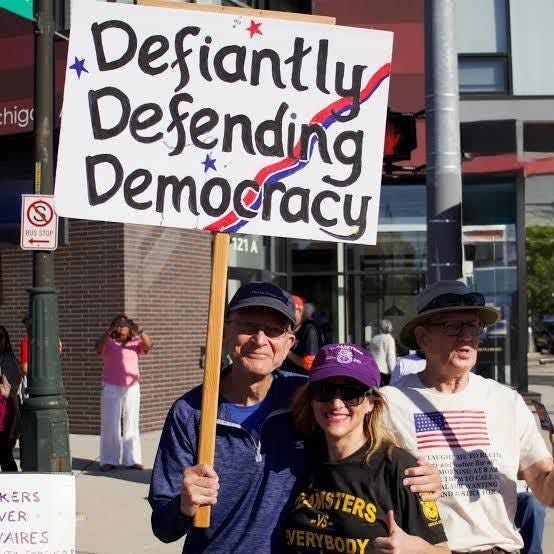
“I want my children and future generations to be able to enjoy the same planet that I did, and I have promised to do what I can, for as long as I can, to try to help make that happen.”
Jeff Alson spent 40 years doing the technical work that nobody sees, in a lab in Ann Arbor that most people don’t know exists, on standards that reduced pollution for every vehicle on every road in America. When the moment came to defend that work, he picked up the phone in blue jeans and tennis shoes, just like he had 40 years earlier on Plymouth Road, and figured it out.
Random Rec of the Week
🎬 🍿 I am slowly working my way through much of director Steven Soderbergh’s work. Given he has directed 33 movies this is no small feat! Great movies of his include OUT OF SIGHT, OCEAN’S 11, KIMI, and BLACK BAG, there are so many. Even a middling Soderbergh movie is usually worth seeing because he’s such an elegant and efficient director. I recently saw the movie NO SUDDEN MOVE – which is about the (historically true) automotive industry collusion to suppress, yes, the catalytic converter! It is a great look at Detroit history with fab performances by Don Cheadle, Benicio Del Toro, and others. The whole may not be greater than the sum of its parts, but the parts are very much worth seeing.
New or Catching Up
New subscribers: hello and welcome! I write about late midlife reinvention: living somewhere new for a month each year, profiles of people making bold life changes, and my love of movies and Broadway.
My newsletter is 100% unpaid: all recommendations and links are simply things I genuinely enjoy.
Recent posts: Hello, Act III!, Cleared for Takeoff at 60, Rome Reckoning: Hail Caesar!
All past articles are collected here.
Clicking the little heart button 💗 at the top of a post or email, commenting, and sharing can help this newsletter reach more people.
Thanks, as always, to all of you for reading and engaging. Until next time!
Thanks, Alice, a most interesting ( and disturbing!) article how Trump can so easily dismantle proven work on the environment on a whim.
Ann Schriber
All your articles are amazing, Alice. This one takes a more dramatic turn. Thank you for sharing Jeff’s story of courage, conviction, and selflessness.